
Wild Cats · Discovery · September 2026
Earth Has a New
Wild Cat.
It's Not Yours
to Keep.
Scientists just described the first new living wild cat species in over a century. Here's what we know about Leopardus tilcayo — and why it belongs in the cloud forests of Bolivia.
When a local resident in Bolivia found a tiny kitten on the road and brought it home, they had no idea they were sitting with one of the rarest cats on earth — a species unknown to science. A year later, that kitten ended up at the Senda Verde wildlife sanctuary, where researchers noticed something unusual about its genetics. What followed was the most significant felid discovery in 103 years.
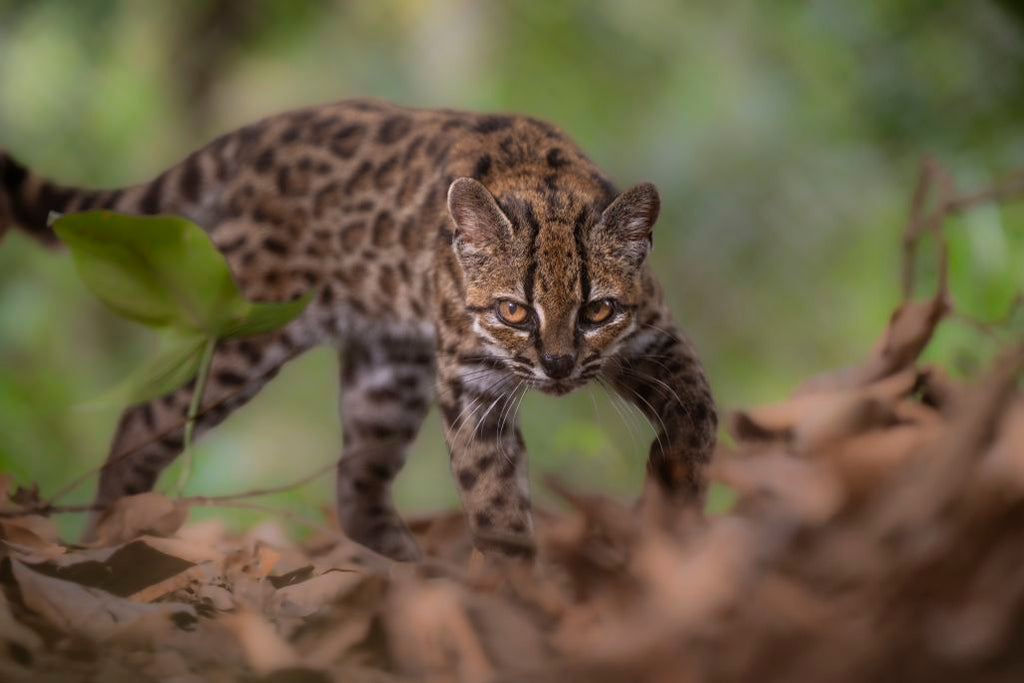
In September 2026, a paper published in Current Biology formally described Leopardus tilcayo — the tilcayo cat — as a distinct wild cat species. The last time science named a brand-new living wild cat was 1923, when the pampas cat was described. The tilcayo is smaller than your domestic cat and lives in the mist-shrouded cloud forests of the Bolivian Andes.
Classification

A Discovery Hidden in Plain Sight
The tilcayo cat is deceptively small — smaller than most housecats, at roughly 1.4 kilograms and 45 centimeters long. It lives in the Yungas, a steep transition zone between the Andean highlands and the Amazon basin, cloaked in permanent mist and dense cloud forest. Researchers believe it may have gone unidentified for so long because it looks superficially similar to other small South American wildcats like the oncilla or the Geoffroy's cat. Only genetic analysis confirmed it as something entirely its own.
The discovery is a reminder that even in 2026, the planet still holds biological secrets — particularly in the biodiversity hotspots of the Andes-Amazon corridor, some of the least-explored ecosystems on earth.
"The last new living wild cat species was named in 1923. Over a hundred years later, a road-found kitten cracked open the gap."
Not a Pet — Full Stop
This Cat Is Not for Your Living Room
The kitten that led to this discovery was kept at home for a year before arriving at a sanctuary — and that brief story is precisely what researchers warn against. Wild cats of any species are not suitable to be kept as pets. They have complex territorial, dietary, and behavioral needs that no domestic environment can meet. The tilcayo cat belongs in the cloud forests of Bolivia, where it plays a role in an ecosystem we're only beginning to understand. In most jurisdictions, keeping any wild felid is also illegal. The right response to a wild cat in distress is always to contact a licensed wildlife rehabilitation center.
What This Means for Your Cat at Home
Discoveries like this one deepen our picture of felid evolution and remind us that the domestic cat we share our homes with carries the echoes of millions of years of wild ancestry. The instincts your cat shows at home — the need to climb, to observe from height, to hunt, to have territory — are the same drives that shaped the tilcayo cat in the Andes. We didn't tame those instincts out of domestic cats. We're just the lucky beneficiaries of a species that found it useful to tolerate us.
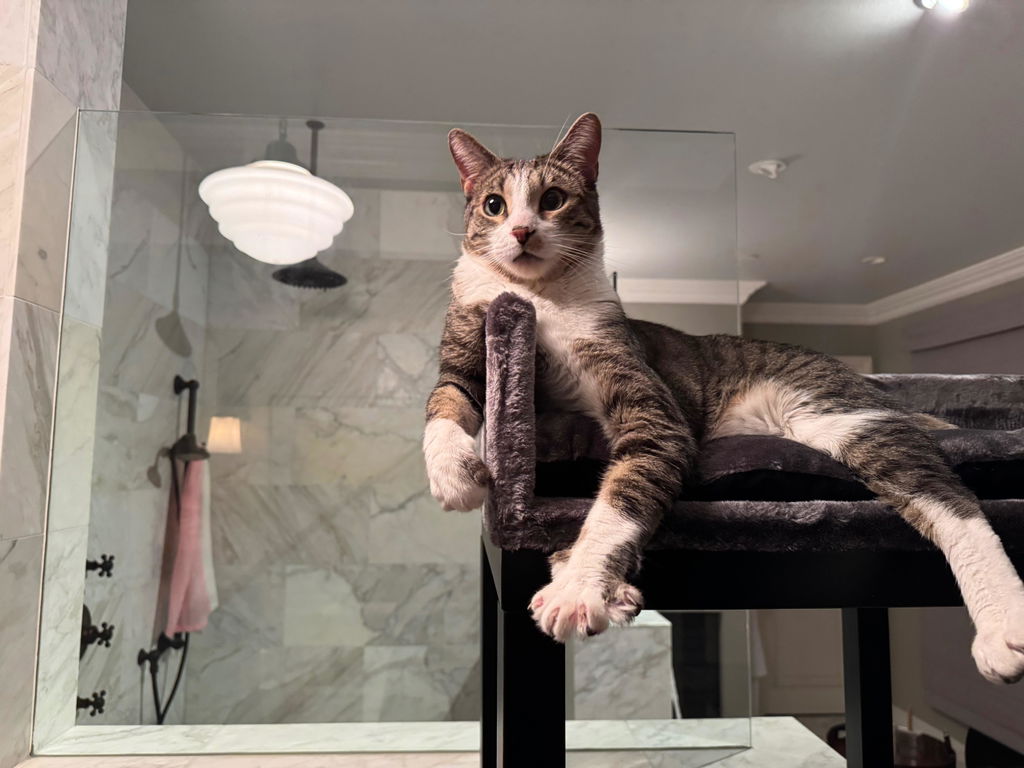
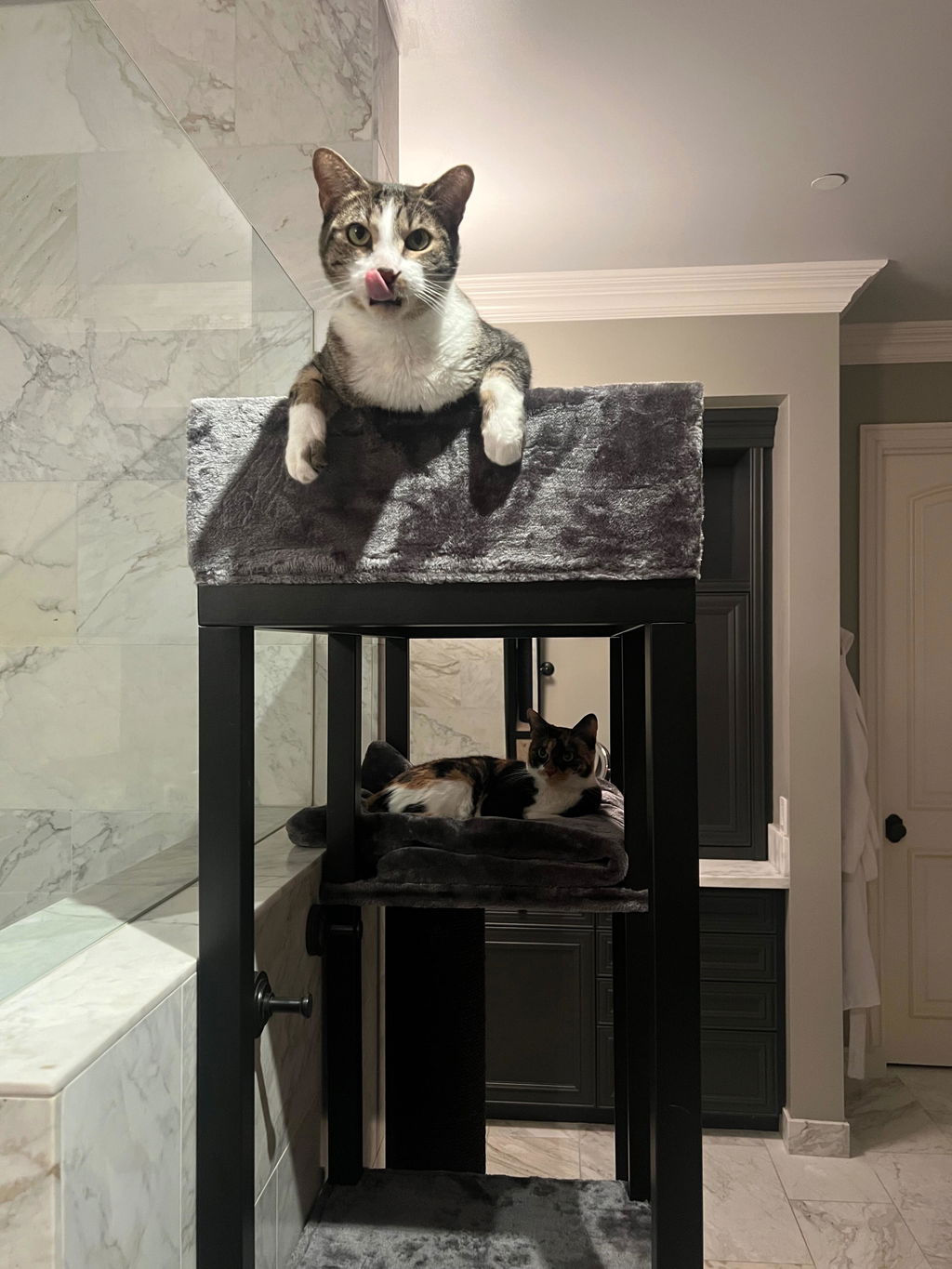
Understanding wild cats makes us better at understanding the ones we live with. When you give your cat a tall cat tree, a window perch, or a dedicated hunting outlet through play, you're honoring the same evolutionary logic that sent the tilcayo cat scrambling through the cloud forest at dawn.
Your cat's wild side is still running the show. Build an environment that works with it — not against it.
Shop Cat Trees →